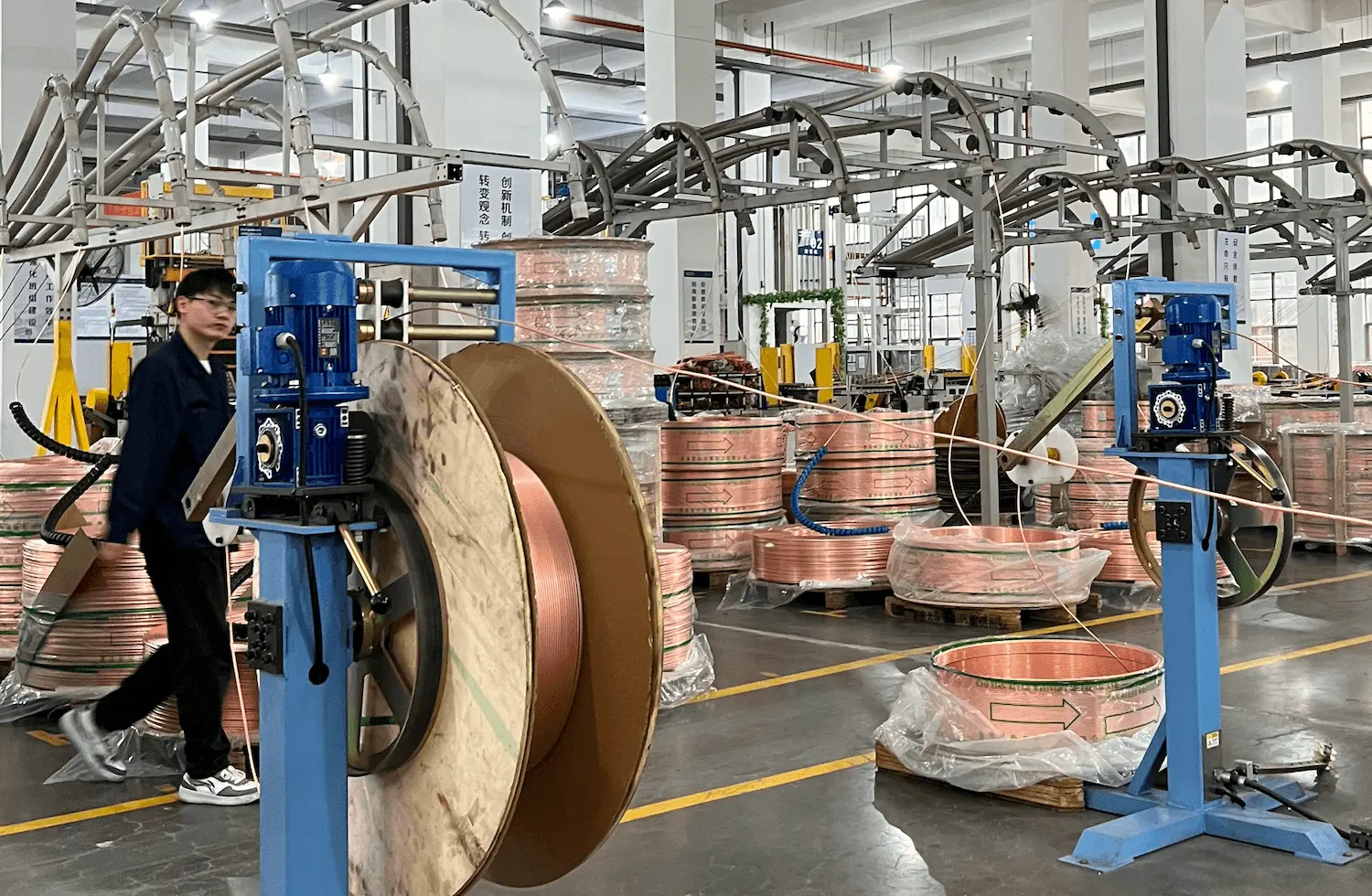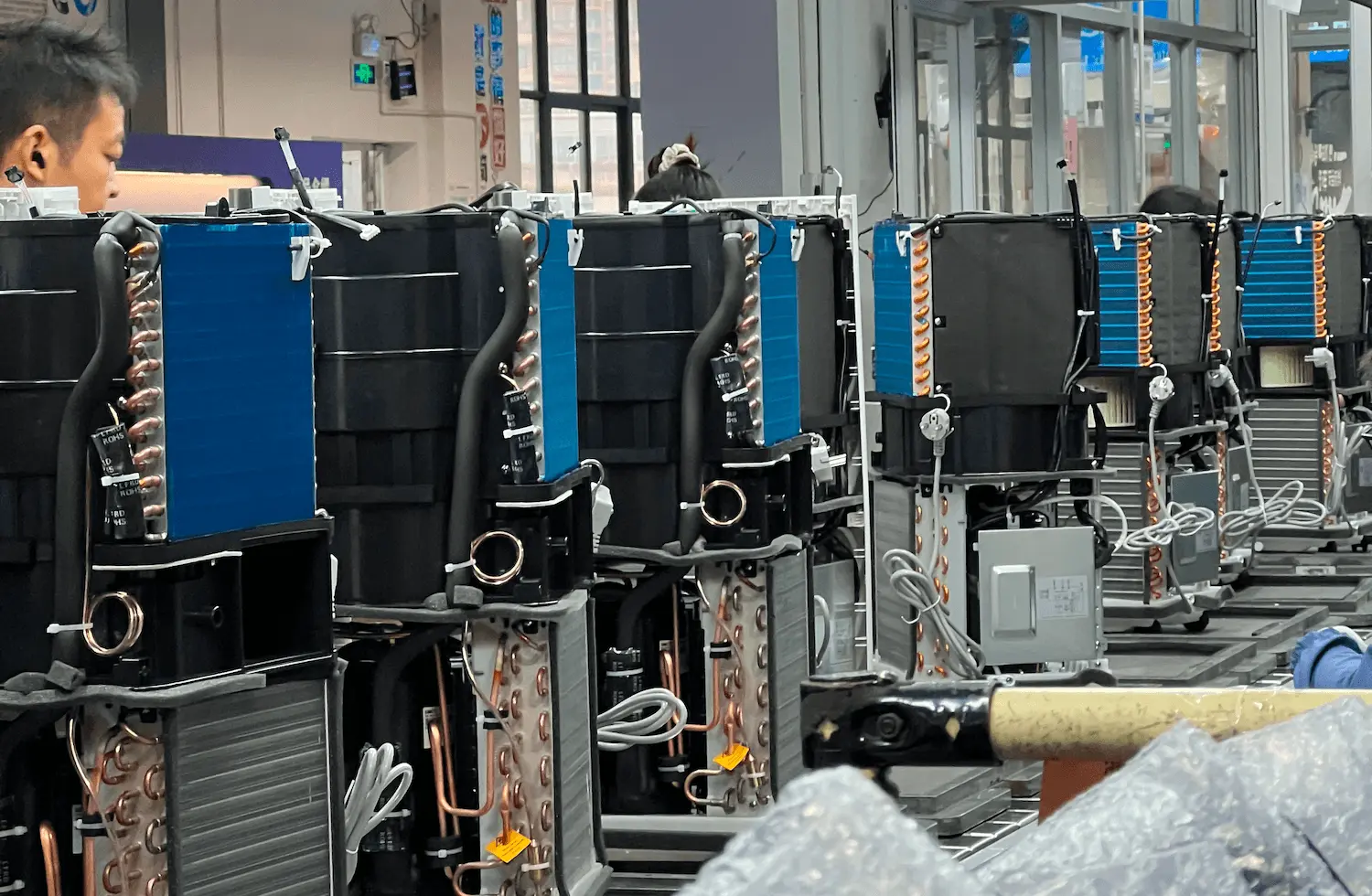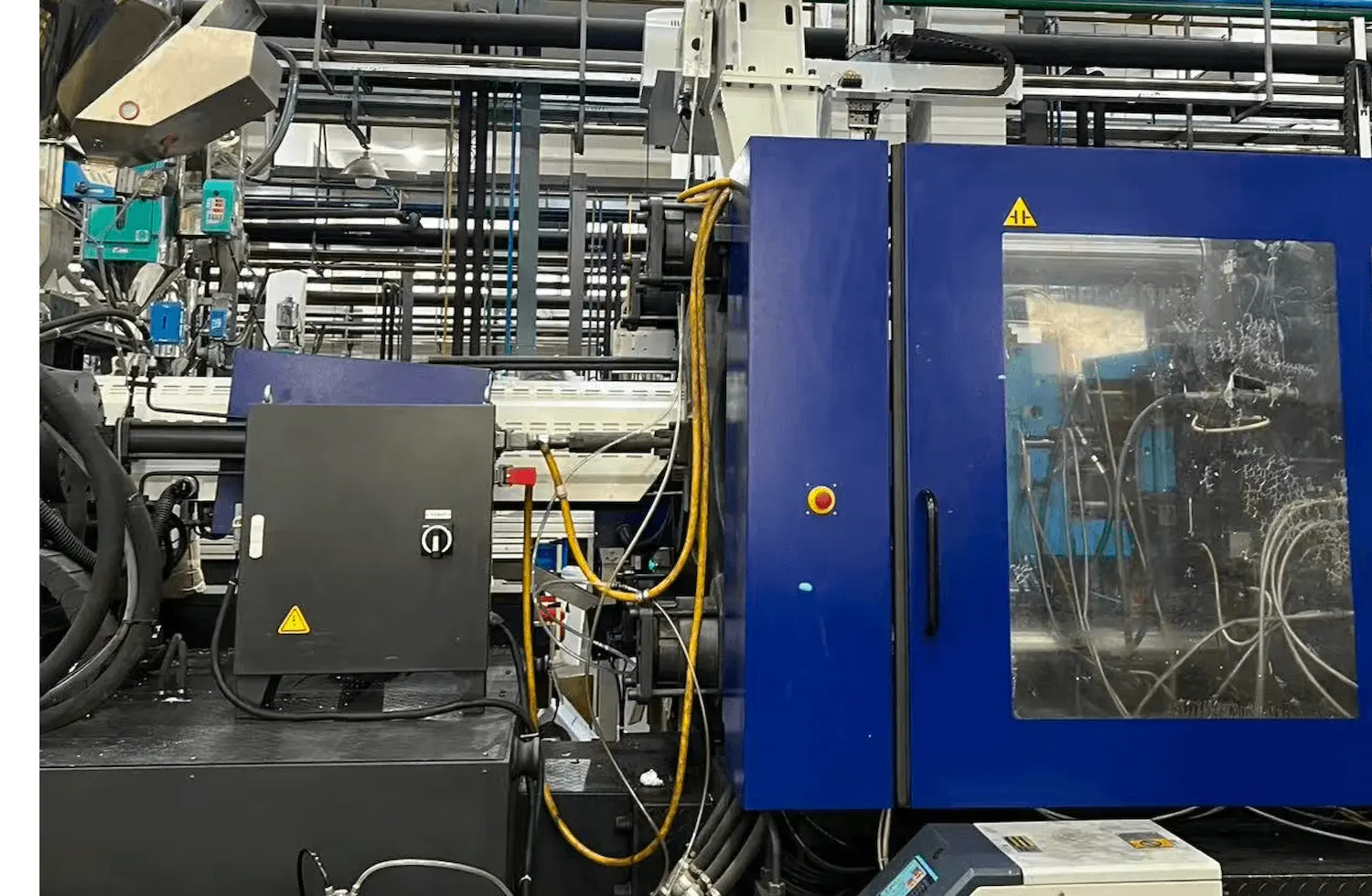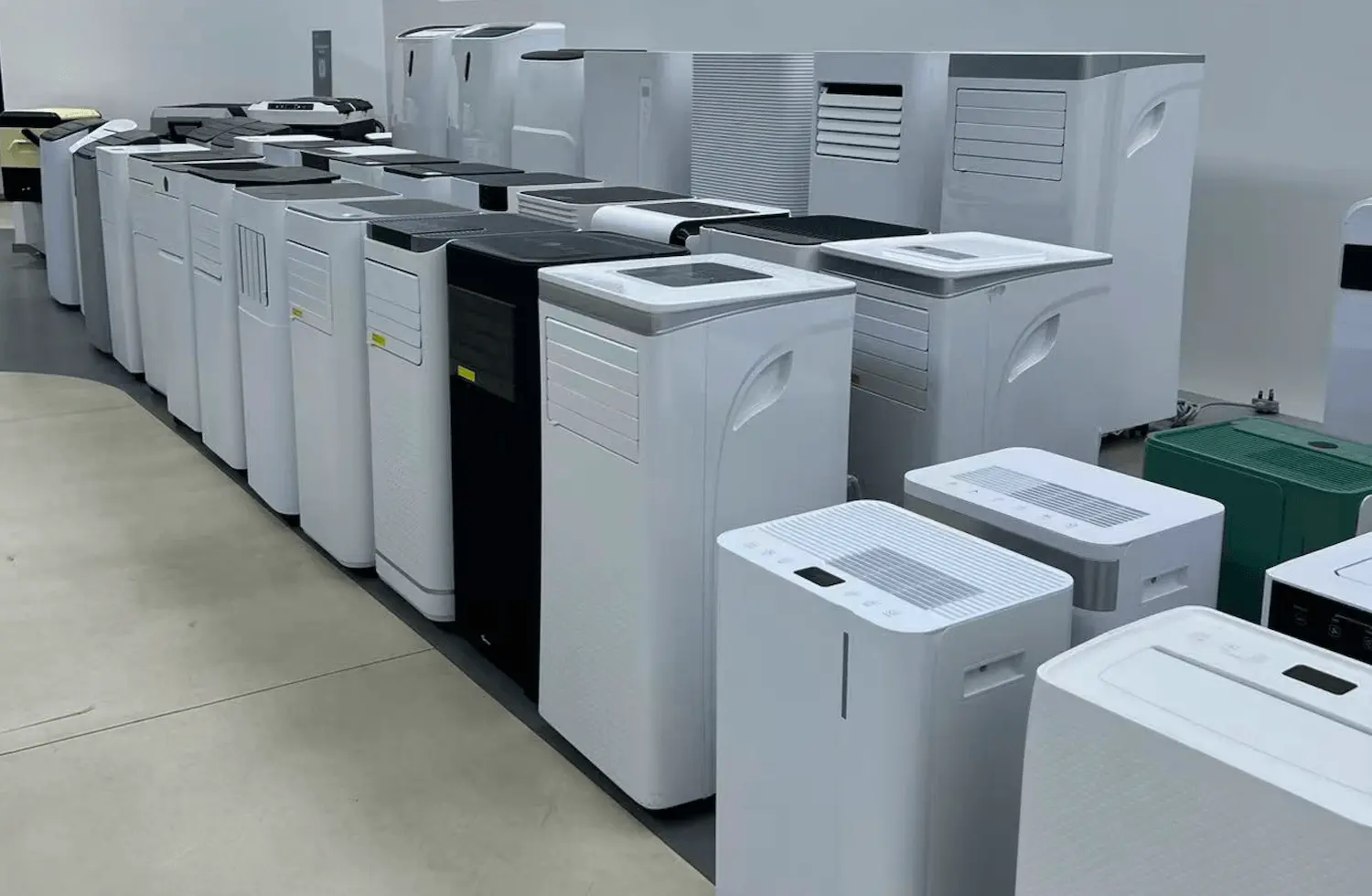
Custom OEM & ODM Solutions
Certified Global Compliance
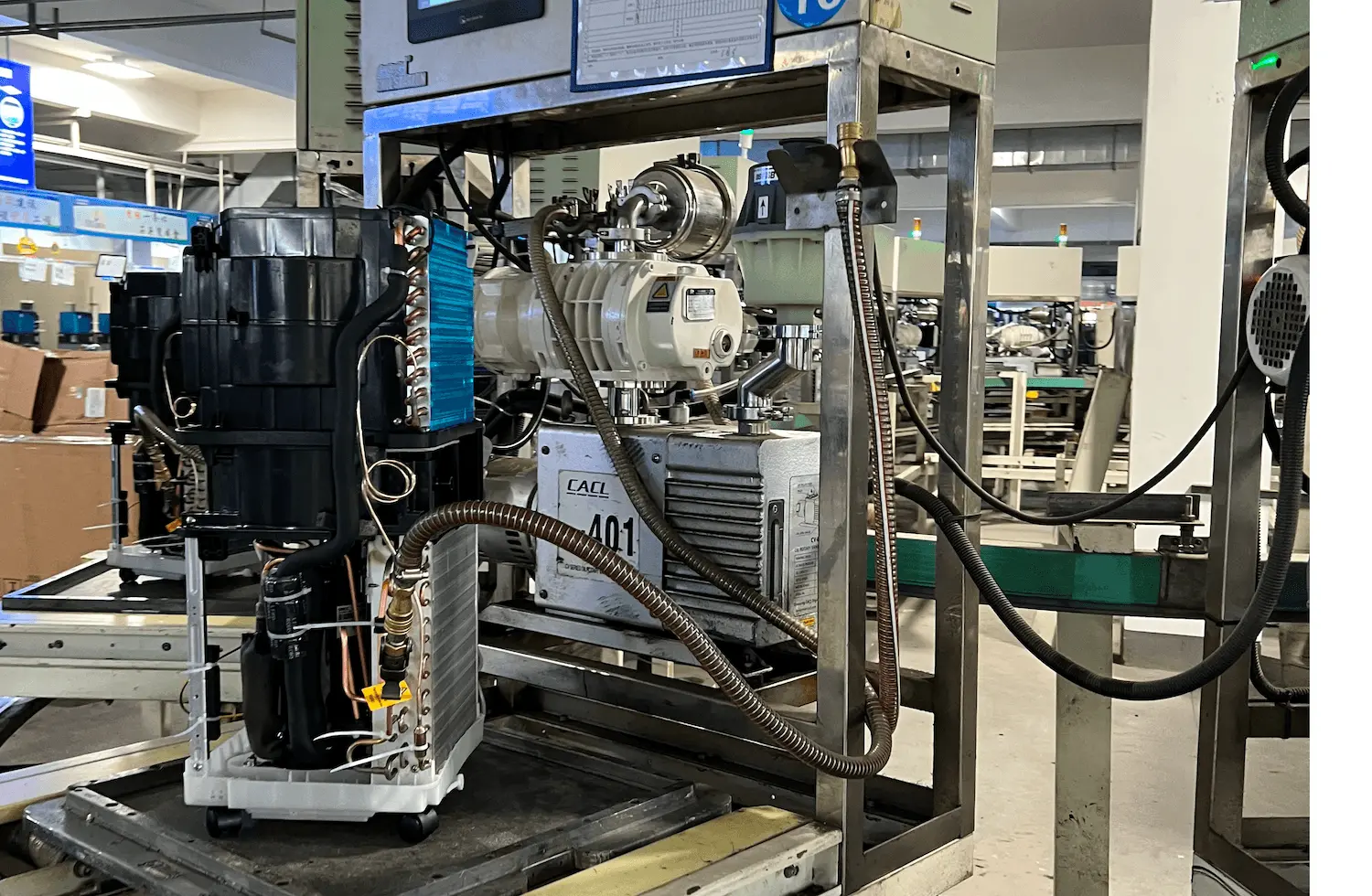
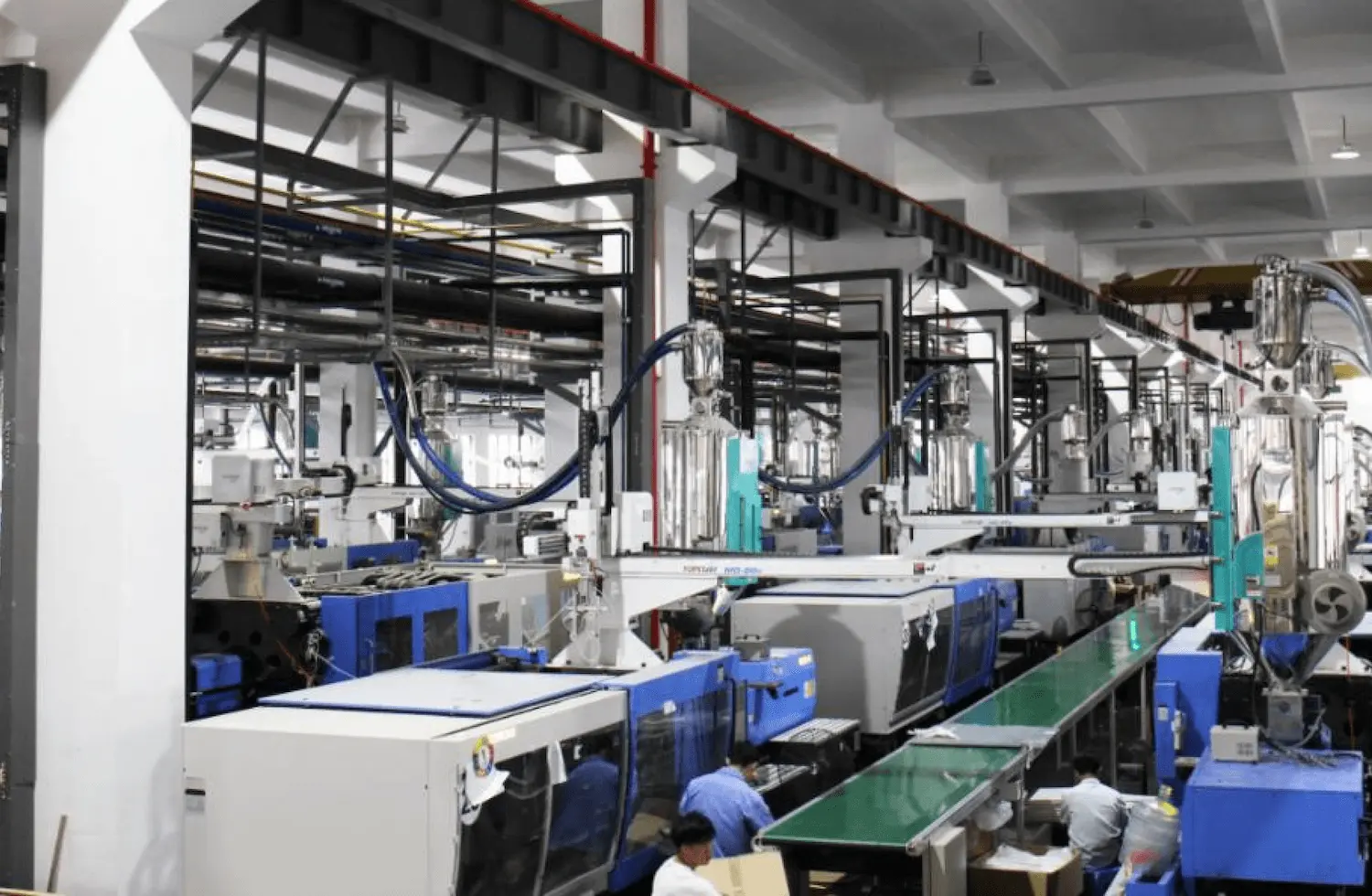
High-Volume Daily Output
Export-Ready Global Logistics
- Home
- Quiet Portable Air Conditioners
Quiet Portable Air Conditioner
Upgrade your cooling inventory with our premium quiet portable air conditioners. Engineered for bedrooms and offices, our units operate in the ultra-low 45–55 dB range using advanced inverter and dual-hose technology. Browse our catalog below for factory-direct wholesale, private label, and custom OEM/ODM manufacturing solutions.
Compact Quiet Portable AC
- Power Supply: AC220-240V/50Hz
- Refrigerant: R290 / R32
- Noise: 54dB(A)
- Air Circulation: 290–330 m³/h
White Quiet Portable AC
- With cooling and heating capacity
- Power Supply: AC220-240V/50Hz
- Refrigerant: R410A / R290
- Noise: ≤56dB
Ultra-Silent Portable AC
- Power Supply: AC220-240V/50Hz
- Refrigerant: R290
- Noise: ≤45dB
- Air Circulation: 440–460 m³/h
Modern Quiet Portable AC
- Noise ≤53dB
- Compact to suit bedroom
- Modern & clean design
- Electronic soft touch controls
Quiet Inverter Portable AC
- 3-mode settings, Cool, Dehumidify and Fan
- Noise ≤52dB
- Refrigerant: R290
Quiet 3-Speed Portable AC
- Quiet 3-speed fan with sleep mode
- 4-mode settings, Auto, Cool, Dehumidify and Fan
- Noise ≤55dB






Get free expert advice on your cooling solutions
What "Quiet" Really Means in Portable ACs
If you’re buying a quiet portable air conditioner, the single most useful spec is the decibel (dB) output on the lowest fan speed. You can’t just rely on the word “quiet” printed on the box.
A real quiet portable AC unit keeps noise on its sleep setting below 55 dB. Premium models even dip into the low-40s dB range. Because a portable AC houses the compressor inside the room, true silence isn’t possible. But dropping into the 40 dB range sounds more like gentle rainfall or a quiet library than a loud dishwasher.
Understanding the Decibel (dB) Scale
A decibel (dB) measures sound levels logarithmically. A small number change means a big difference in what you actually hear. A 3 dB increase doubles the sound energy, and a 10 dB increase usually feels twice as loud to the human ear.
Decibel Targets by Use Case
When you shortlist a quiet portable air conditioner for small rooms, match the dB rating to the room type.
Room Type | Target dB (Low Fan) | What It Sounds Like |
Bedroom / Nursery | 40–45 dB | A quiet library or soft rainfall. |
Office / Studio | 45–50 dB | A quiet office or a refrigerator hum. |
Apartment / RV | 50–55 dB | Normal conversation (compact spaces amplify noise). |
Core Design Features That Reduce Noise
Engineers have made huge strides in the quiet portable air conditioner category. The quietest designs tackle noise right at the source through three main features.
Inverter Compressors
A traditional portable AC uses a fixed-speed compressor. Every time it starts, you get a hard mechanical “kick-in” that jumps from silence to full noise.
An inverter compressor solves this with variable-speed control. It ramps up and down smoothly, like a dimmer switch. Once the room reaches the set temperature, it holds a steady, low speed instead of turning off and loudly restarting.
Dual-Hose Architecture
Dual-hose quiet portable air conditioners separate the intake and exhaust air streams. One hose brings in outdoor air to cool the condenser, while the second exhausts hot air outside.
This design keeps room pressure balanced, which reduces fan strain. Dual-hose quiet portable AC units often run 3–6 dB quieter than single-hose models because they don’t have to work as hard to move air.
Acoustic Insulation and S-Shaped Air Ducts
Modern low decibel portable air conditioner designs use high-density acoustic lining around the compressor. They also add anti-vibration mounts to cut out rattles and structural buzz.
Air path geometry helps, too. The quietest platforms use curved or S-shaped ducts. These break direct sound paths from the fan to the room and reduce harsh air-shearing hisses.
Hardware vs. Settings: Where Quiet Really Comes From
The hardware sets the limit, but the operating mode dictates what your customers actually hear. Here are the operating choices that affect portable air conditioner noise levels:
- Fan speed: Noise goes up quickly with fan RPM. Most of the difference between a 42 dB sleep mode and a 60 dB high fan is just fan noise.
- Thermostat setting: Aggressive cooling setpoints force the compressor to cycle more often, raising the average decibel exposure.
- Room acoustics: Hard surfaces reflect sound, while carpets and soft furniture absorb it.
How to Choose the Right Quiet Portable AC
If you want happy buyers and fewer returns, you have to guide them to the right unit.
Step 1: Determine Sizing (BTU)
A portable air conditioner that’s too small for a space will run constantly at its highest, loudest fan speed. A well-matched unit reaches the set temperature quickly and holds it using lower, quieter fan speeds.
Room Size (m²) | Recommended Capacity | Best For |
Up to 15 m² | 1.5 – 2.3 kW (5,000–8,000 BTU) | Small bedrooms, therapy rooms, nurseries |
15 – 30 m² | 2.3 – 2.9 kW (8,000–10,000 BTU) | Larger bedrooms, studios |
30 – 50 m² | 3.5 – 4.1 kW (12,000–14,000 BTU) | Open-concept living rooms, large offices |
Step 2: Check Installation Requirements
Even the best quiet portable air conditioner gets loud if installed poorly. A bad window seal lets hot air leak in, forcing longer run times.
We recommend keeping the exhaust hose short and straight. Sharp bends restrict airflow and increase fan noise. Make sure both ends of the hose are tight to prevent rattling.
Product Specifications and Feature Comparison
When evaluating models for your B2B purchasing, look closely at these metrics:
- Cooling Capacity (kW/BTU): Tested under EN 14511 standards, ensuring accurate real-world performance for effective room cooling.
- Energy Efficiency: High EER rating complying with European ErP directives, delivering maximum comfort with lower energy consumption (e.g., Class A/A+).
- Eco-Friendly Refrigerant: Uses R290 refrigerant, fully compliant with EU environmental regulations and F-gas phase-down targets.
- Dehumidifier mode: Helps maintain comfort without running the compressor at full speed, especially in humid climates.
- Smart / Wi-Fi control: Users can schedule pre-cooling during the day to avoid noisy full-speed operation at night.
- Sleep mode: Automatically lowers fan speed and adjusts the setpoint overnight.
Practical Ways to Lower Noise After Purchase
You can pass these tips on to your end-users to ensure they get the best experience:
- Pre-cool the room: Run the unit hard before needing silence, then let it maintain the temperature on low.
- Use a stable base: Set the unit on a flat, solid surface to cut down on vibration. A rug or anti-vibration pad helps absorb noise on hard floors.
- Keep the hose straight: Long runs and sharp bends create back-pressure and excess fan noise.
- Clean the filter: A clogged dust filter makes the motor work harder and louder. We suggest cleaning it every two weeks during heavy use.
B2B Specifications, OEM/ODM & Support
As a direct manufacturer, we engineer our quiet portable air conditioner platform for global compliance, safety, and long-term OEM/ODM support. We’ll help you solve your product sourcing challenges from start to finish.
Safety & Regulatory Certifications
EU/ EEA market
- CE Marking (LVD & EMC): Fully engineered to meet the stringent Low Voltage Directive (EN 60335-2-40) and Electromagnetic Compatibility (EMC) standards, supported by a complete Declaration of Conformity.
- ErP Directive (Eco-Design): Our R&D strictly follows European Eco-design requirements. Performance is rigorously tested under EN 14511 to ensure optimal Energy Efficiency Ratios (EER) and Class A/A+ energy labels.
- RoHS & REACH Compliance: All control boards, electronics, and plastics utilize compliant materials to strictly limit restricted and hazardous substances, ensuring full market access across the EU.
- F-Gas Regulation Ready: Optimized for R290 natural refrigerant, fully complying with Europe’s stringent F-gas phase-down targets and environmental sustainability goals.
North America
- UL Certification (North America): Designs are certifiable to UL 60335-2-40 for electrical safety and mechanical stability.
- DOE & NRCan: Our R&D follows uniform test methods for SACC and CEER ratings, ensuring accurate compliance for the US and Canadian markets.
OEM/ODM Manufacturing Specifications
Our factory model is built for custom quiet portable AC units across bedroom, small room, and office applications. Specifications cover cooling capacity, acoustic tuning (A-weighted decibels in multiple fan speeds), low-GWP refrigerants (R290), and smart app integration.
Quality Systems & Minimum Order Quantities (MOQ)
We operate strict ISO-style quality control, including component-level inspections, in-process leak testing, and packaging drop tests. OEM/ODM projects follow a clear commercial flow from MOQ agreements and sampling to pilot runs and mass production.
Frequently Asked Questions
For a quiet portable air conditioner, look for 40–50 dB on low or sleep mode. 40–45 dB is preferred for sleep, while 45–50 dB is suitable for home offices and living rooms. Anything above 55 dB is usually too noticeable in bedrooms.
Yes, you might comfortably sleep with a quiet portable air conditioner running all night if it holds the low-40s dB range. To maximize comfort, use sleep mode and place the unit away from your bed.
Yes, noise levels might increase if you don't maintain the unit. Dirty filters force the fan to work harder, and loose exhaust-hose fittings can vibrate and rattle.
No, cooling capacity does not directly correlate with noise. Many 14,000 BTU models can cool 550 sq ft while staying under 52 dB on low, thanks to inverter compressors and dual-hose designs.
Check the mode and fan speed, as sleep modes run 3–7 dB quieter than standard cooling. Look for a noise range (like 47–56 dB) instead of a single number, and always cross-check with independent field testing.
Why you can trust us
As a leading manufacturer of environmental cooling solutions, we provide global brands and distributors with innovative portable air conditioners. Driven by end-to-end in-house R&D, design, and mass production, we guarantee certified global compliance, high-volume manufacturing excellence, custom OEM/ODM solutions, and industry-leading cooling efficiency.
Our global partners