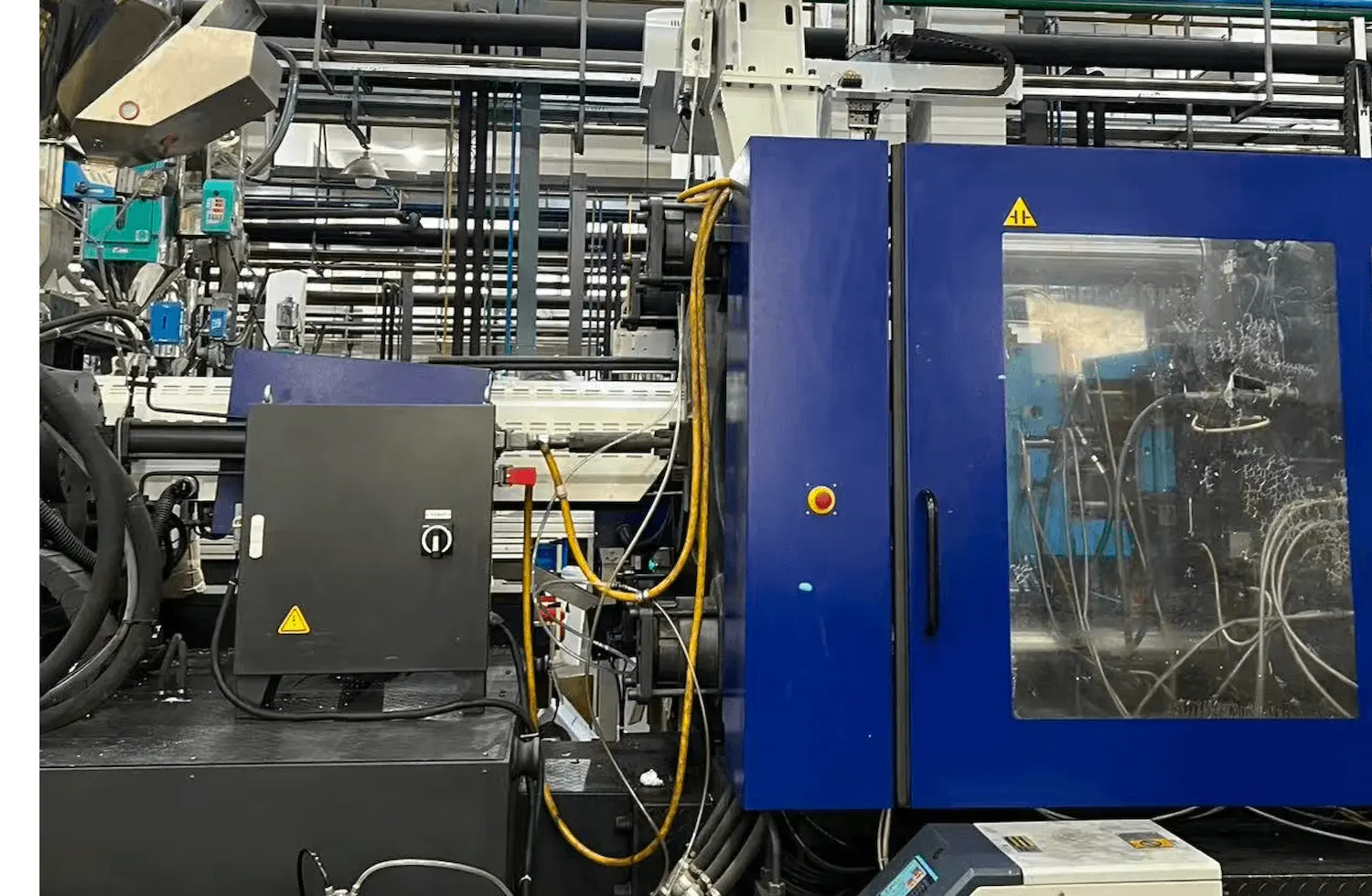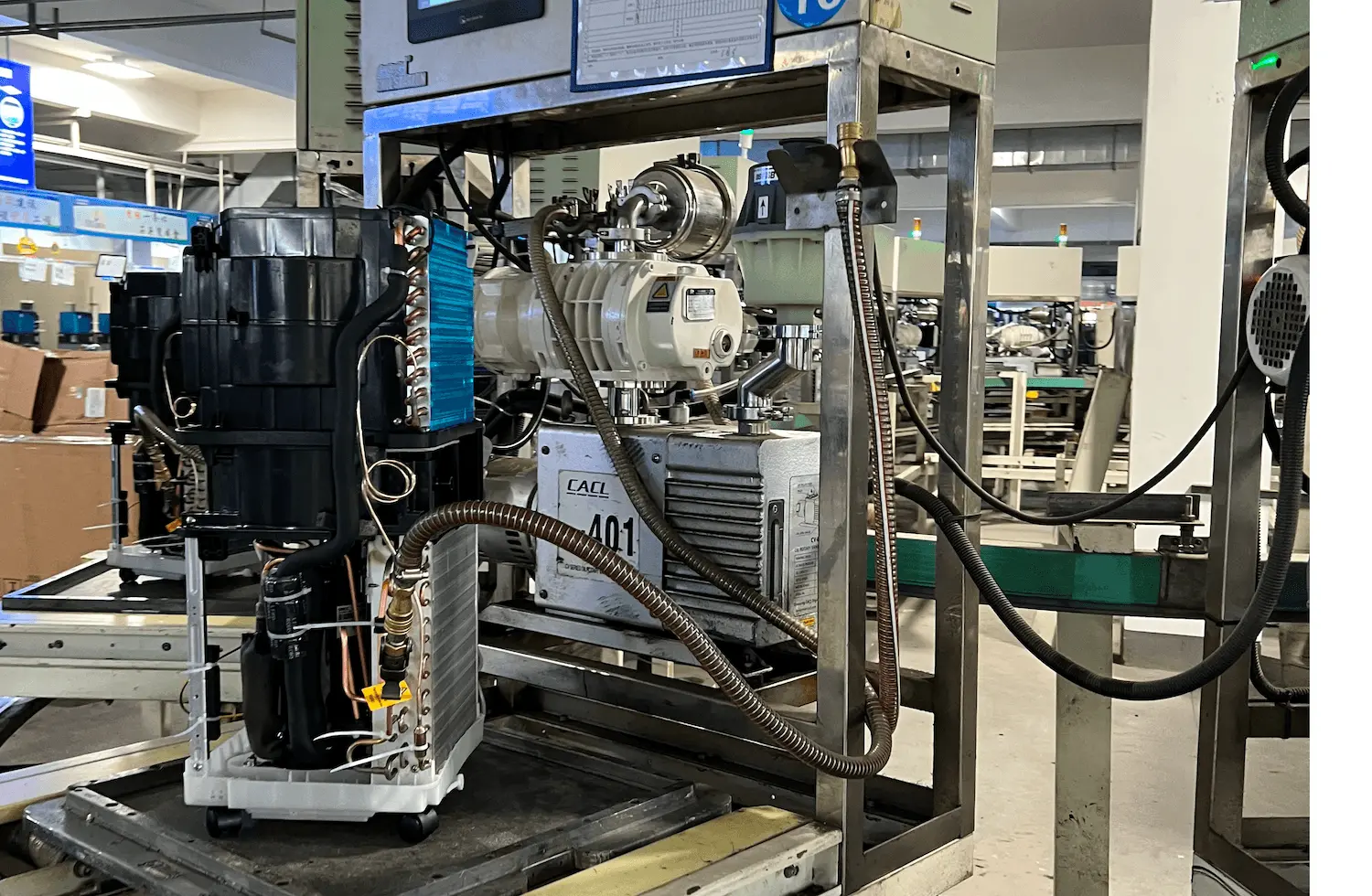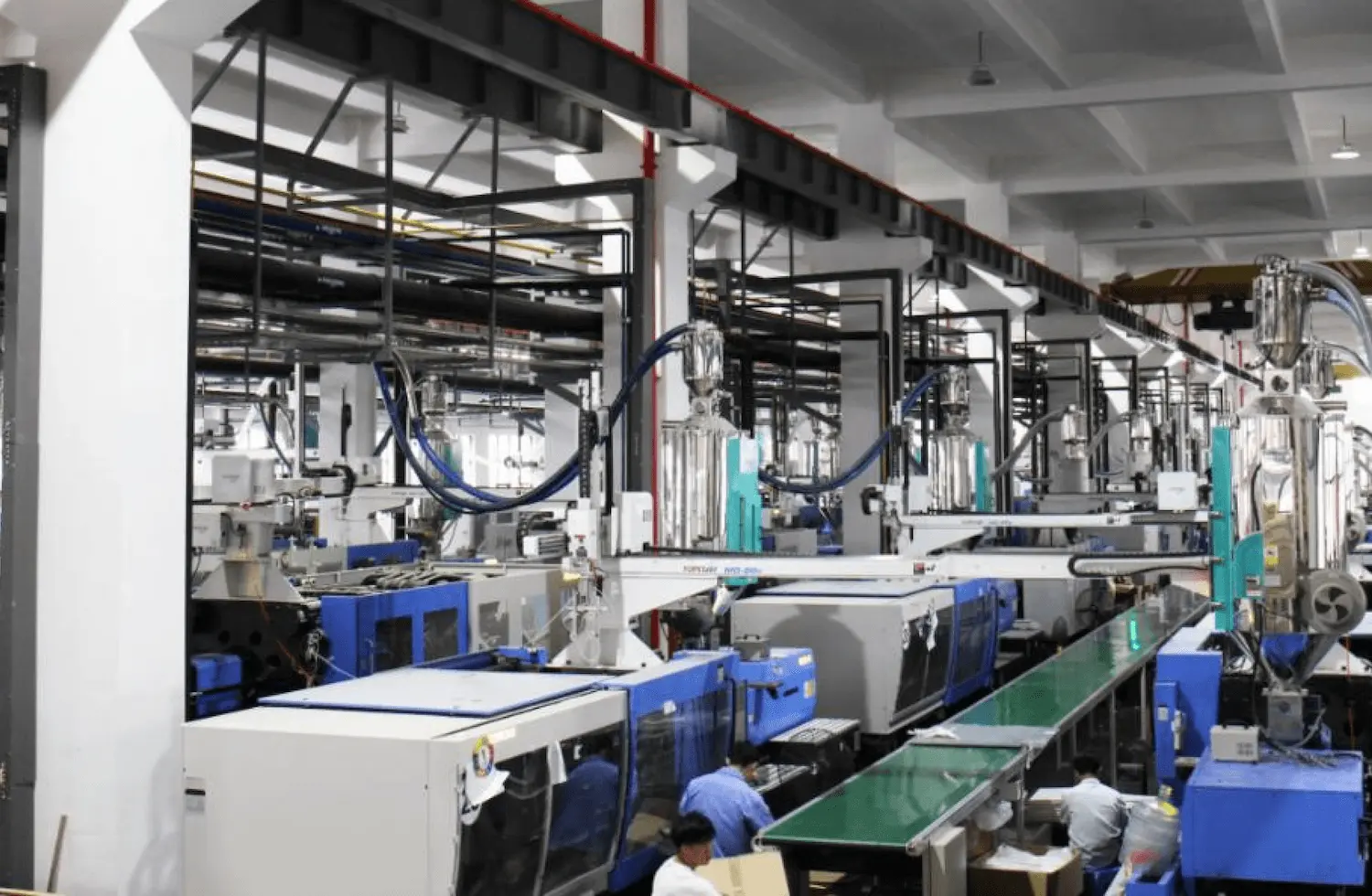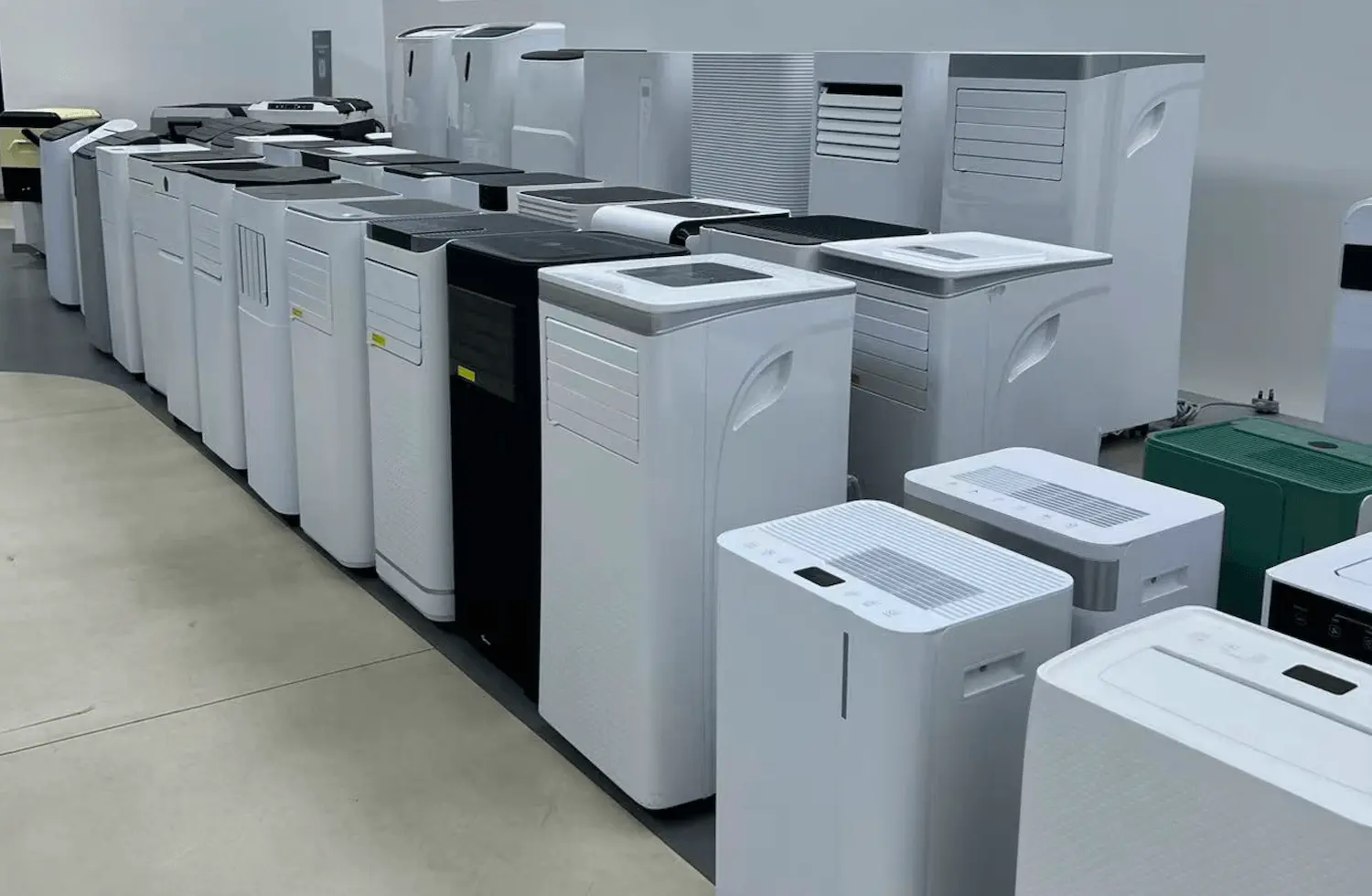
Custom OEM & ODM Solutions
Certified Global Compliance
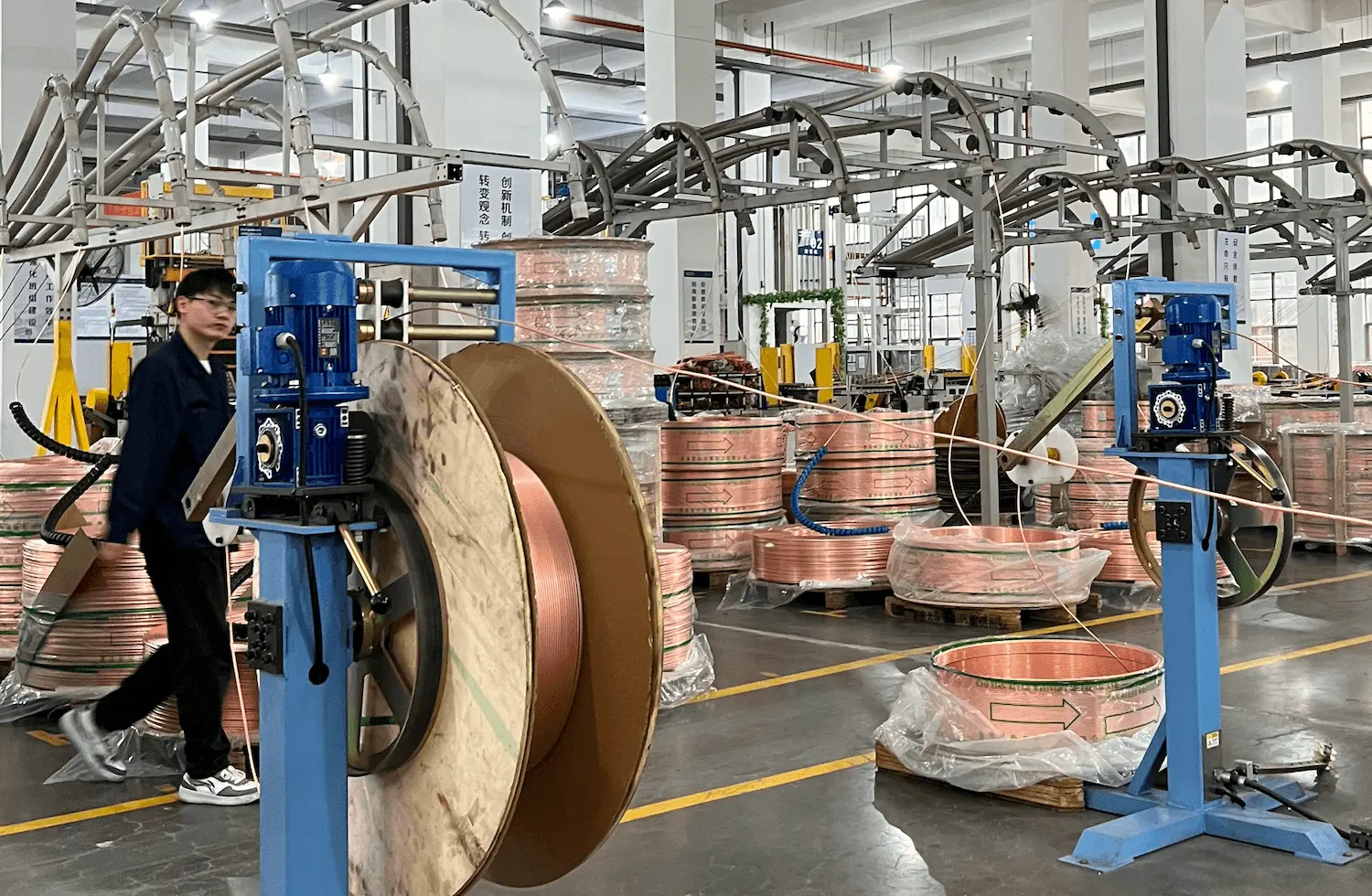
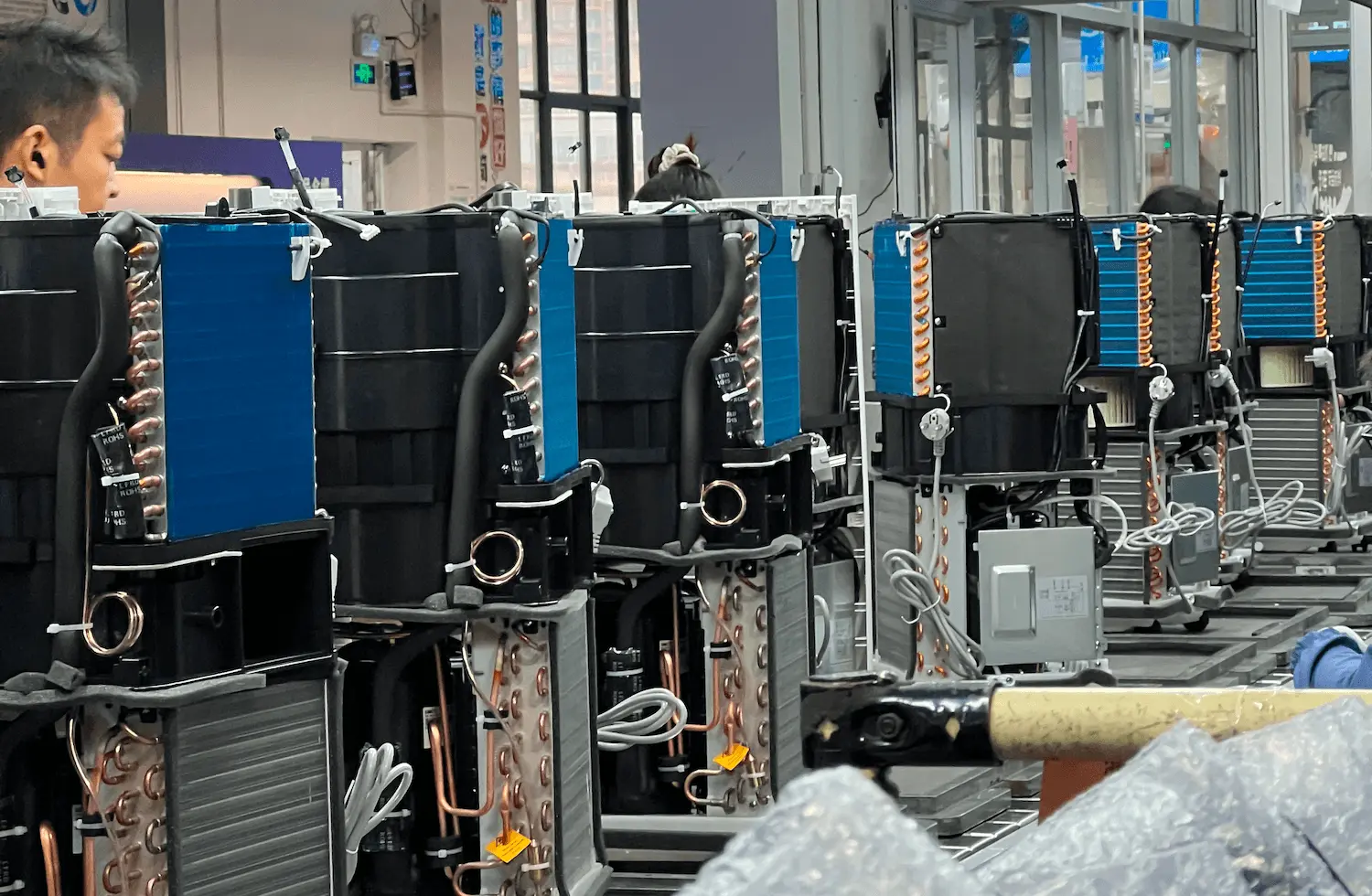
High-Volume Daily Output
Export-Ready Global Logistics
- Home
- Portable Inverter Air Conditioners
Portable Inverter Air Conditioners
A portable inverter air conditioner uses a variable-speed compressor to provide efficient, quiet cooling and stable room temperatures. Unlike standard units that cycle fully on and off, it continuously adjusts its output to match the cooling load. This portable air conditioner inverter technology reduces energy spikes from hard start-ups, lowering electricity use by 20–50% compared to non-inverter models.
Upgrade your cooling catalog with our energy-efficient, ErP-compliant portable inverter air conditioners right now.
Smart Inverter Portable AC
- Eco-friendly R290 Refrigerant
- Noise ≤ 54dB(A)
- Remote Control with LCD Screen
- 3-Fan Speeds
R290 Inverter Portable AC
- EER Class A+
- LED Display and Touch Button
- 24-Hour Timer
- Eco-friendly R290 Refrigerant
Quiet Inverter Portable AC
- Sound Pressure Level≤46dB(A)
- Strong winds and 3 fan speeds
- LED Display
Inverter Portable Air Conditioner
- Eco-friendly R290 Refrigerant
- Sound Pressure Level≤46dB(A)
- Modern & clean design
- Touch Button
Class A+ Inverter Portable AC
- Sound Pressure Level≤46dB(A)
- Eco-friendly R290 Refrigerant
- Water-full Indicator
- 24-Hour Timer
3-Fan Speed Inverter Portable AC
- EER Class A+
- Eco-friendly R290 Refrigerant
- Sound Pressure Level≤46dB(A)
- 24-Hour Timer




Get free expert advice on your cooling solutions
Core Advantages of Portable Inverter ACs
If you supply buyers who need targeted, mobile cooling, an energy-efficient portable inverter air conditioner offers four core advantages for your product lineup.
Energy Efficiency
A high-efficiency inverter portable air conditioner modulates compressor speed instead of running full blast and shutting off. This lowers peak power draw and overall kWh use compared with fixed-speed units. If you combine this with a dual-hose design, a dual hose inverter portable air conditioner becomes one of the most efficient mobile cooling options available.
Lower Noise
A quiet inverter portable air conditioner runs the compressor at lower, smoother speeds. This avoids the loud start-stop clicking typical of standard portables. This stable operation supports ultra-quiet designs perfectly suited for bedrooms and offices.
Better Comfort
An inverter compressor portable AC can hold room temperatures much closer to the setpoint, often within 0.3°C. This reduces the hot-and-cold swings users notice with conventional units. The result is better comfort in both small flats and large open-plan living areas.
Room-to-Room Portability
Like any mobile unit, it requires no permanent installation. Facilities teams can move it between office zones, server rooms, or temporary setups as heat loads change. This flexibility extends to specialized models, like a portable inverter air conditioner with a heat pump for year-round use, or smart models that integrate into building automation systems.
Whether you are importing a smart inverter portable AC or shortlisting the best portable inverter AC for a private label project, the value proposition is clear. You deliver higher efficiency, lower noise, and premium comfort in a mobile form factor.
Portable Inverter vs Conventional Portable Air Conditioners
A portable inverter air conditioner uses a variable-speed compressor that matches real cooling demand. A conventional portable AC uses a fixed-speed compressor that repeatedly switches fully on and off. That mechanical difference drives the biggest gains in energy efficiency, temperature stability, and noise reduction.
Factor | Portable Inverter Air Conditioner | Conventional Portable AC |
Compressor Tech | Variable-speed compressor with soft ramp-up and continuous modulation. | Single-speed compressor with stop/start thermostat cycling. |
Energy Consumption | Uses about 20–40% less electricity, easily achieving ErP Class A or A+. | Draws more power due to cycling losses and repeated startup spikes. |
Temperature Control | Holds a steadier setpoint with fewer overshoots and undershoots (within 0.3°C). | Produces noticeable hot/cold swings as the compressor cycles. |
Noise Level | Quieter operation. Avoids hard starts and runs at lower speeds after cooling the room. | Louder overall, with audible compressor roar and clicking at each cycle. |
Bottom Line | Better comfort, lower operating costs, and longer lifespan for daily runtimes. | Lower upfront cost, but less efficient and less comfortable in regular use. |
Compressor Technology Differences
The main advantage of a portable air conditioner with an inverter compressor is that it doesn’t treat cooling as an all-or-nothing task. Instead of running at full power until the room overshoots the target temperature, it modulates speed precisely.
This reduces mechanical stress and wasted energy. A conventional unit has a simpler control pattern, but that simplicity creates inefficiency. Every restart pulls a massive inrush current and creates the familiar rumble that disrupts sleep.
Energy Consumption and Operating Costs
When your retail customers compare an energy-efficient portable inverter air conditioner against a standard model, the difference shows on their power bill. Variable-speed room ACs consistently show lower power consumption under partial-load conditions.
Once the room reaches the target temperature, a high-efficiency inverter portable air conditioner settles into a low, steady wattage. Over a full summer season, this smoother operation materially reduces total electricity use.
Temperature Control and Comfort
A smart inverter portable air conditioner holds indoor temperatures highly consistently. It makes micro-adjustments to output instead of waiting for a wide thermostat swing to trigger.
That tight control reduces the “too cold, then too warm” cycle. Better modulation also supports even dehumidification, which improves perceived comfort in humid climates.
Noise Level Considerations
A quiet inverter portable AC avoids frequent hard starts and runs at lower decibels after the initial pull-down phase. High-quality inverter models can reach the low-40 dB range in sleep mode. Conventional units are louder by design because their compressors only know one speed: 100%.
Impact of Room Sizes on AC Choice
For a portable inverter air conditioner for small rooms, the primary selling points are comfort control and low noise. Small spaces amplify compressor vibrations, so inverter modulation has an outsized impact on user satisfaction here.
If you are purchasing a portable inverter air conditioner for large rooms, the main benefit is sustained efficiency. Large rooms require the unit to operate for extended periods, allowing the inverter technology to maximize energy savings.
Upfront Costs and Long-Term Payback
The best inverter portable air conditioner costs more upfront due to advanced electronics and variable-speed components. However, energy savings can recover that premium over just a few cooling seasons. This combination of lower electricity use and quieter operation gives these models superior long-term market value.
Sizing, Venting, and Installation Guide
Understanding Cooling Capacity: kW and EN 14511
When evaluating a portable inverter air conditioner for import into the EU, always refer to the cooling capacity in kW (often supplemented by BTU) tested under the EN 14511 standard. This is the legally required metric for European energy labels and accurate B2B procurement.
A simple sizing rule for standard European ceiling heights (approx. 2.4m – 2.6m) is to allocate about 100 to 130 watts of cooling power per square meter. For example, a 20 m² room requires roughly 2.0 kW to 2.6 kW (approx. 7,000 – 9,000 BTU). If the room gets heavy afternoon sun or you are sizing for large, open-plan spaces, we recommend bumping up one capacity tier.
Venting and Window Kit Compatibility
Every inverter portable air conditioner needs a sealed exhaust path to push hot air outside. Because European architecture frequently features tilt-and-turn or casement windows, we offer universal fabric window seal kits as an OEM add-on alongside standard rigid slider panels. A tight seal prevents hot outdoor air from leaking back in, ensuring the unit maintains its high EER performance.
Auto-Evaporation and Drainage
If you want to reduce customer complaints about maintenance, look for self-evaporative technology. These systems recycle moisture onto internal coils to cool the system, then expel the water vapor out the exhaust hose.
In normal cooling mode, an energy-efficient portable inverter air conditioner can run for weeks without requiring manual drainage. We ensure our units also feature a continuous gravity drain port for buyers operating in highly humid climates.
Noise Levels and Unit Placement
For residential buyers, check the published decibel rating alongside the compressor type. Retail guidance suggests aiming for 50 dB or lower for bedrooms, and under 55 dB for offices.
A quiet inverter portable air conditioner easily hits these marks. Remind end-users to keep the exhaust hose run as short and straight as possible to reduce back-pressure, and fan strain.
Best Portable Inverter Air Conditioners for Specific Needs
Best Options for Bedrooms
When our B2B clients buy for residential retail, we recommend a lower-capacity (e.g., 2.0 kW – 2.6 kW) inverter model that hits 45 dB or lower in sleep mode. Because inverter compressors avoid loud start-stop cycling, they hold a steady sound profile overnight.
Best Options for Large Living Rooms and Garages
For heavy-duty residential or light commercial spaces, we suggest a dual-hose inverter portable air conditioner pushing 3.5 kW (12,000 BTU) or more. The dual-hose design eliminates negative pressure, while the inverter compressor sustains efficiency during long run times.
Best Options for All-Season Use
If your market experiences varied seasons, a portable inverter air conditioner with a built-in heat pump (reversible AC) is an excellent SKU to stock. A true heat pump moves thermal energy rather than generating it from scratch, making it an incredibly energy-efficient heating source that handles cooling, heating, and dehumidification all year.
When to Buy Bulk Portable Inverter Air Conditioners?
Purchasing your wholesale portable inverter air conditioners in late winter spring/ early spring gives you the best balance of factory pricing, component availability, and ocean freight reliability.
Why Late Winter is the Best Time to Buy
Late spring through summer (May–August) is when global demand for cooling equipment spikes. During this peak period, factories run at maximum capacity, which translates to premium pricing and longer lead times for shipping to European ports. Late winter sits in the sweet spot; you avoid peak-season markups while ensuring your containers arrive and clear customs before the first European heatwave.
Avoiding Summer Price Hikes and Stock Shortages
If you wait until June to place bulk orders, you lose negotiating leverage. Historically, high-efficiency models like dual-hose inverter portable air conditioners are the first to experience stock-outs. By locking in your OEM/ODM orders early, you secure access to the newest R290-compliant components and smart inverter technologies before the supply chain tightens.
B2B Purchasing Strategies
If you manage procurement for HVAC wholesalers or e-commerce brands, we recommend planning ahead:
- Start spec research 3–6 months early: Use the winter months to benchmark noise data, SACC ratings, and smart app integrations.
- Lock in orders by April: Place your factory orders in late Q1 or early Q2. This captures off-peak pricing while giving us ample time to meet your customized packaging and private label requirements.
- Audit for compliance: Ensure your required SKUs meet CE (LVD/EMC), RoHS, REACH, and Europe’s strict F-Gas regulations (mandating R290 refrigerants) well before shipping.
Frequently Asked Questions
Usually not. Most self-evaporating portable inverter air conditioners re-evaporate condensate and expel it through the exhaust hose. Manual draining is typically only needed in extremely humid environments or when running the unit strictly in dehumidifier mode.
Inverter technology can reduce energy use by about 20% to 40% versus comparable fixed-speed units. The savings are most noticeable at partial load once the room is already cool. Look at the EER ratings and ErP Energy Labels on our spec sheets; higher EER numbers indicate more cooling per kilowatt of electricity consumed.
Yes. Our standard portable AC window kits are designed for tool-free installation on European tilt-and-turn and casement windows. They attach quickly with hook-and-loop tape and zip securely around the exhaust hose, preventing hot air ingress without needing tools.
They are absolutely worth the investment, particularly given Europe's energy prices. Because inverter compressors modulate their output instead of aggressively cycling on and off, they improve comfort and reduce electricity consumption enough to offset the higher initial procurement price over time.
Why you can trust us
As a leading manufacturer of environmental cooling solutions, we provide global brands and distributors with innovative portable air conditioners. Driven by end-to-end in-house R&D, design, and mass production, we guarantee certified global compliance, high-volume manufacturing excellence, custom OEM/ODM solutions, and industry-leading cooling efficiency.
Our global partners